
Invisalign vs. Traditional Braces: Which is Right for You?


Understanding Invisalign and Traditional Braces
When considering orthodontic treatment, two popular options often come to mind: Invisalign and traditional braces. Both have their unique advantages and potential drawbacks. Your choice will depend on various factors, including your lifestyle, budget, and specific dental needs.

How Invisalign Works
Invisalign uses clear, removable aligners made from a patented thermoplastic material. These aligners are custom-made to fit snugly over your teeth, gradually shifting them into the desired position. Patients typically receive a new set of aligners every one to two weeks, depending on their treatment plan.
Benefits of Invisalign include its nearly invisible appearance and the ability to remove the aligners for eating, drinking, and cleaning your teeth. This flexibility allows for better oral hygiene and fewer dietary restrictions compared to traditional braces.
Advantages of Traditional Braces
Traditional braces comprise metal brackets and wires, which are bonded to the teeth and adjusted periodically to move teeth into place. They are highly effective for treating complex dental issues such as significant overbites, underbites, and crooked teeth.
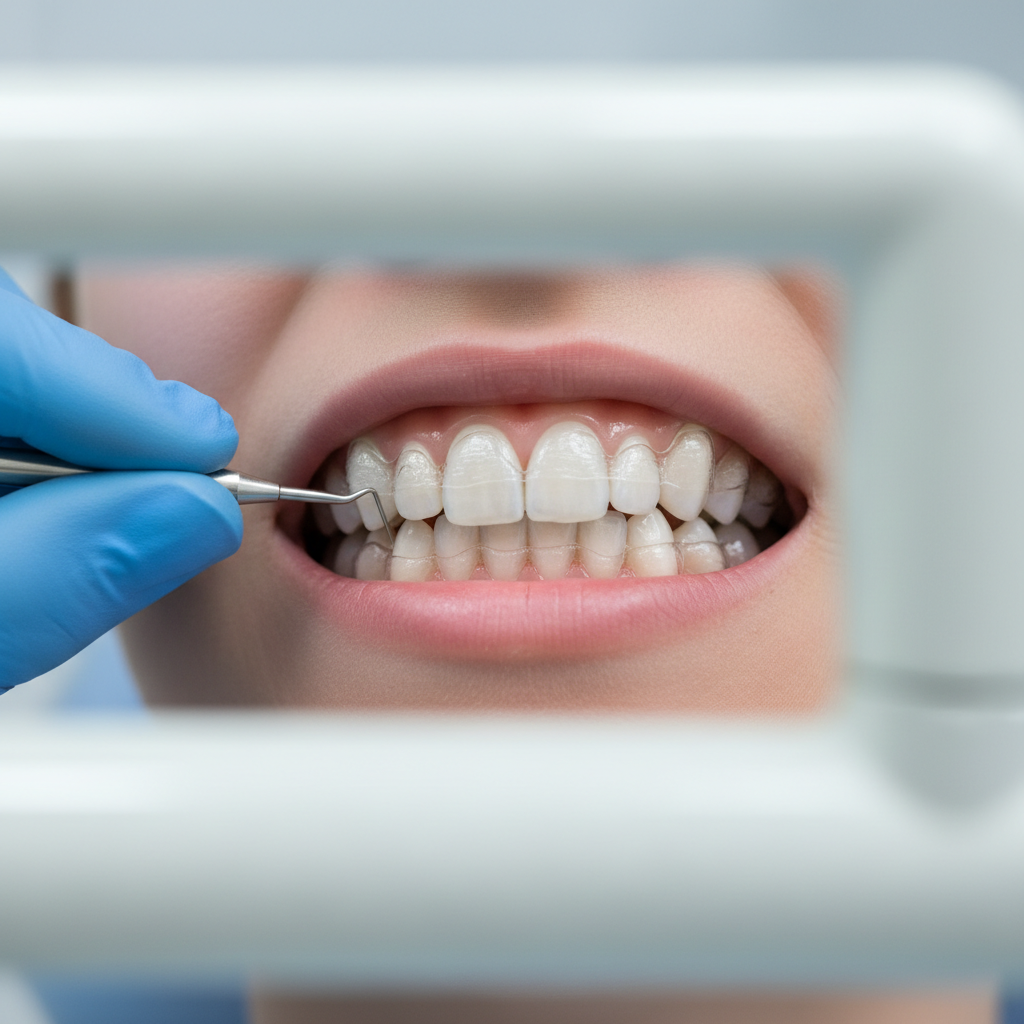
One of the key advantages of traditional braces is their strength and durability. They can withstand more pressure and are less dependent on patient compliance since they are fixed to the teeth. This makes them a reliable option for younger patients or those who might forget to wear aligners consistently.
Cost Considerations
The cost of orthodontic treatment can vary widely depending on several factors, including the complexity of the case and geographic location. Generally speaking, Invisalign tends to be slightly more expensive than traditional braces. However, many dental insurance plans cover both options, and flexible payment plans are often available.

Choosing the Right Option for You
Ultimately, the decision between Invisalign and traditional braces should be made in consultation with your orthodontist. They will assess your dental needs, lifestyle, and budget to recommend the best treatment option.
Consider the following when making your decision:
- Visibility: Invisalign is less noticeable.
- Comfort: Aligners are generally more comfortable.
- Complexity: Traditional braces may be better for severe cases.
- Oral Hygiene: Aligners can be removed for easier cleaning.
By weighing these factors and discussing them with your orthodontist, you can make an informed choice that aligns with your goals and lifestyle.